The new mexican gene in Trichothiodystrophy.
Speaker

Julio Cesar Salas-Alanis
Mexico
Julio Cesar Salas-Alanis POSITION TITLE: Dermatology Professor, Instituto Dermatologico de Jalisco, Mexico. EDUCATION/TRAINING (Begin with baccalaureate or other initial professional education, such as nursing, include postdoctoral training and residency training if applicable. Add/delete rows as necessary.) INSTITUTION AND LOCATIONDEGREE Universidad Autonoma de Nuevo Leon, Mexico Universidad de Barcelona Hospital Clinic I ProvincialDoc med12-2015 12-1993Genodermatosis Instituto Dermatologico de Jalisco, Mexico Instituto Dermatologico de Jalisco,Mexico Universidad Autonoma de Nuevo Leon, Mexico Dermatology M.D.12-1992 12-1991 12-1987Dermatopathology Dermatology Medical Doctor FIELD OF STUDY Universidad Autonoma de Nuevo Leon, Mexico Universidad de Barcelona Hospital Clinic I ProvincialDoc med12-2015 12-1993Genodermatosis Instituto Dermatologico de Jalisco, Mexico Instituto Dermatologico de Jalisco,Mexico Universidad Autonoma de Nuevo Leon, Mexico Dermatology M.D.12-1992 12-1991 12-1987Dermatopathology Dermatology Medical Doctor Personal Statement Dermatologist from Mexico, researcher since 1995, member of Local and National Dermatology Societies. Member of the American Academy of Dermatology, and International Dermatology Society. Founder of Dystrophic Epidermolysis Bullosa Research Association Mexico (1995) DEBRA MEXICO AC. He is one of the Genodermatosis researcher leaders in Mexico and Latin-American, after one year spent at the Universidad Autonoma de Barcelona (Hospital Clinic I Provincial) Spain, learning Dermatopathology he moved to learn Immunofluorescence techniques for the Diagnosis of Immunoblistering and Autoimmune disorders at St. Johns Institute of London in the Kings College London. In Mexico,1994 he founded The Dystrophic Epidermolysis Bullous Research Association Mexico (DebRA Mexico), a nonprofit association to give support to the patients with a rare genetic disease; Epidermolysis Bullosa. More than 300 hundred papers have published, 102 on pubmed; Science Translational Medicine, Oncotarget, Nature Communications, American Journal of Dermatology, Journal of Investigative in Dermatology, American Human Genetics, PLOS, PNAS, and some others. Local and National awards on the Research field as the National Prize for his volunteer job as Founder and President of DebRA MEXICO, (Dystrophic Epidermolysis Bullous Research Association) Community leadership skinpactGalderma award 2016 for the Association DEBRA MEXICO. International Collaborations with different Universities in USA: Columbia, Angela Christiano (Genotrichosis, Epidermolysis Bullosa, Trichothiodystrophy), Thomas Jefferson, Jouni Uitto, Andy South, (Epidermolysis Bullosa, microbiota, squamous cell carcinoma,), Stanford, Peter Marinkovici (Epidermolysis Bullosa), Yale, Keith Choate (Hypohidrotic Ectodermal Dysplasias), London, John McGrath (Genodermatosis), Sydney, Dedee Murrel and some others. Dr. Salas-Alanis is well known dermatologist in Mexico, Latino America and some countries around the world for his enthusiasm, energy and easy way to see the social problems. His empathy to others has been a reason for his success on life. Positions and Honors Professor and Researcher Univirsidad Autonoma de Mexico and Instituto Dermatologico de Jalisco, Mexico. Visiting Professor at Dermatology Dept of Yale University, New Haven Connecticut 2013-2014 Professor & Researcher School of Medicine Universidad de Monterrey 2013-2018 Professor & Researcher Dermatology Dept, Hospital Universitario, Monterrey Nuevo Leon 2009-2013 Professor & Researcher School of Medicine, Instituto de Estudios Superiores del Tecnolgico de Monterrey 2004-2013 Director of Dermatology Services, Servicios Mdicos de la Universidad Autnoma de Nuevo Leon 1994-2007. Dermatology Adjunct Professor School of Medicine, Universidad de Monterrey 2002-2004 Professor of Histology Medicine School Universidad Autonoma de Nuevo Leon 1993-1997. Contributions to Science As a founder of Dystrophic epidermolysis Bullosa Research Association in Mexico (DebRA) his main field of work has been EB. His work on EB, started in 1994 with the first publications reporting this disease in Latin America, his collaborations have demonstrated how some patients present a phenotype that is opposite to the genotype of the mutation. He has studied a group of EB patients that have survived for over 60 years with an aggressive disease variant without suffering from squamous cell carcinoma. In collaboration with Dr. Angela Christiano, they worked on a study utilizing CRISPR Cas-9 techniques to produce 3D models of skin with the idea of grafting the wounds of EB patients. In the year 2012, he published on the JAAD joural, with international collaboration the second scoring system in the history of this disease: the Epidermolysis Bullosa Oropharyngeal Severity (EBOS) score: a multicenter development and reliability assessment. This score attempts to evaluate the severity of EB in the oropharyngeal cavity, which is many times is forgotten upon physical examination of these patients. For the last 20 years, his collaboration with Andrew South in molecular research for Squamous Cell Carcinoma that affects these patients has allowed for a deeper understanding regarding the aggressiveness of this often-fatal cancer. As a part of DebRA International and his interest in collaborating to improve patients quality of life he has published in 2016 at the BJD, The Management of cutaneous squamous cell carcinoma in patients with epidermolysis bullosa: best clinical practice guidelines. In the year 2021, he published in J Rare Dis; Physiotherapy for epidermolysis bullosa: clinical practice guidelines. He has contributed in a multitude of studies for mutations such as Hypohidrotic EctodermalDysplasia, GAPO Syndrome, Olmsted, palmoplantar keratoderma punctata, Pseudoxanthoma elasticum and other genetic diseases. His last contribution is proposing haematohidrosis and haematolacria as a possible genetic disease by realizing the first exome sequencing study, finding genes related to the extracellular matrix as a possible cause. He was also the first to use the term trichorrage by demostrating how the erythrocytes exit through the pillous folilicle.. Additional Information: Research Support and/or Scholastic Performance As a research Support professor he has been collaborating with several protocols of different groups around the world. Research Professor of Dermatology, Instituto Dermatologico de Jalisco and Universidad Autonoma de Mexico 2017-2021. Research Professor of Dermatology. Escuela de Medicina, Universidad de Monterrey. N.L. Mxico, Agosto 2012-2017. Visiting Dermatologist, Universidad de Yale, New Haven Connecticut USA, 2013-2014. Research Professor of Dermatology, Dermatologa del Hospital Universitario de la Universidad Autnoma de Nuevo Leon, 2010-2013. Research Professor of Dermatology Escuela de Medicina del Instituto Teconolgico de Estudios Superiores Monterrey N.L. 2004-2013. Chief of Dermatology Services Servicos Mdicos de la Universidad Autnoma de Nuevo Lon, 1994-2007. Dermatology Professor Universidad de Monterrey, 2002-2006. Histology Professor Facultad de Medicina de la UANL, 993-1997.
Source event
World NTD Day | Nepal 2025
Dear Colleagues, Peers & Partners,
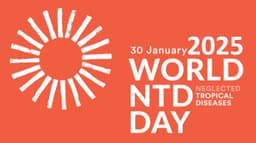
We are delighted to welcome you to the World NTD Day 2025, a medical education event on neglected tropical diseases taking place online on January 30th, 2025.
Celebrated under the auspices of the Rare Skin Disease Nepal and esteemed Dermatological Societies from around the globe, this event is organized by Nepal and hosted on global-dermatology.com.
“Recognizing and Treating Neglected Tropical Diseases” underscores the critical importance of awareness, diagnosis, and effective management of NTDs. These diseases, often overlooked and under-resourced, have profound impacts on millions of lives, particularly in the world’s most vulnerable communities.
World NTD Day 2025 aims to bring together leading experts, healthcare professionals, researchers, and advocates to share the latest advancements, strategies, and collaborative efforts in the fight against these debilitating conditions.
Through comprehensive presentations, interactive workshops, and in-depth discussions, participants will gain invaluable insights into the innovative approaches and treatments that are making a difference in the field of dermatology.
Join us to World NTD Day 2025 – a day dedicated to learning, collaboration, and hope. Together, we can drive progress and ensure that no one is left behind in the pursuit of health and well-being.
Warm regards,
Dr Prajwal Pudasaini
RSDN Member
World NTD Day 2025 | Nepal Organizing Committee
Celebrated under the auspice of:
- Rare Skin Disease Nepal
- Global Dermatology
Organizing Committee:
- Dr Prajwal Pudasaini (Civil Service Hospital of Nepal)
- Dr Niraj Parajuli (National Academy of Medical Sciences)
- Dr Sushil Paudel (Civil Service Hospital of Nepal)
- Dr Sagar GC (Civil Service Hospital of Nepal)
- Prof. Dr. Saraswoti Neupane Sharma (Gandaki Medical College and Teaching Hospital)
- Dr Suwash Baral (Anandaban Hospital, The Leprosy Mission Nepal)
- Dr Sunil Jaiswal (College of Medical Sciences, Nepal)
- Dr Sadiksha Adhikari (Gandaki Medical College and Teaching Hospital)
- Dr Prashanta Pudasaini (Kathmandu Medical College and Teaching Hospital)
- Dr Rushma Shrestha (National Academy of Medical Sciences)
- Dr Rabindra Baskota
- Dr Roushan Jahan
- Dr Smita Joshi
- Dr Yogesh Poudyal
Scientific Committee
- Prof Henry Lim (USA)
- Prof Jorge Ocampo-Candiani (MEXICO)
- Prof Jean Bolognia (USA)
- Dr Smith, Dallas (USA)
- Prof Nellie Konnikov (USA)
- Prof Nejib Doss (ALGERIA)
- Prof Mohammad Jafferany (USA)
- Prof Antonio Torello (SPAIN)
- Prof Archana Singal (INDIA)
- Prof Mahesh Shah (NEPAL)
- Dr Charles Young (UK)
- Prof Milos Nikolic (SERBIA)
- Prof Ibrahima Traore (GUINEA):
- Prof Abdul Ghani Kibbi- (LEBANON)
- Dr Matilde Lorizzo (SWITZERLAND)
- Prof Joanna Narbutt (POLAND)
- Dr Ruri Pamela (INDONESIA)
- Dr Patrick Huang (TAIWAN)
- Prof Asmahanne Suissi (TUNISIA)
- Dr Antonella Tosti (ITALY)
- Prof Hassan Galadari (DUBAI)
Description
Trichothiodystrophy is a rare inherited disorder characterized by sulfur-deficient brittle hair associated with variable multisystem manifestations, including ichthyosis, growth impairment, neurodevelopmental abnormalities, recurrent infections, and, in some cases, photosensitivity. This scientific communication reviews the clinical and biological features of the disease, with particular emphasis on its genetic heterogeneity and pathogenic mechanisms. Special attention is given to Sabinas syndrome, a non-photosensitive form of trichothiodystrophy identified in Mexican families. The presentation reports the identification of DBR1 as a new candidate gene associated with this phenotype after extended genetic investigation. The findings suggest that, unlike photosensitive forms linked to defects in nucleotide excision repair, Sabinas syndrome may result from abnormalities in transcriptional regulation and RNA processing. This observation broadens the molecular spectrum of trichothiodystrophy and contributes to a better understanding of the mechanisms underlying its clinical diversity.
Similar videos
Source event Program
Neglected Tropical Skin Diseases

ILDS and Global Dermatology
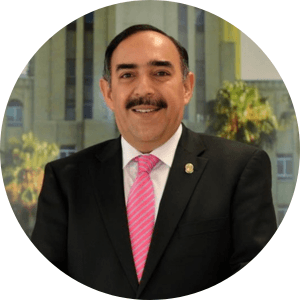
Deep Mycosis in Migrating Populations
Jorge Ocampo-Candiani MD, PhD, IFAAD
A Global Overview of the Epidemiology and Public Health Challenges of Fungal Neglected Tropical Diseases
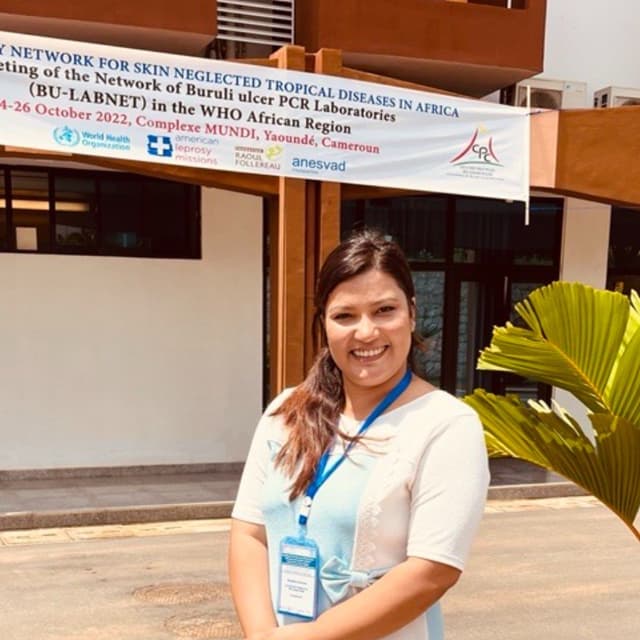
Epidemiological, policy, and technical aspects of NTDs
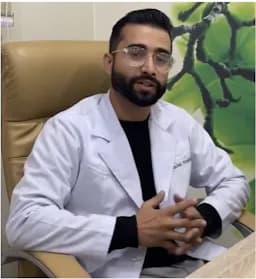
Sporotrichosis in Nepal and the evolving treatment trend
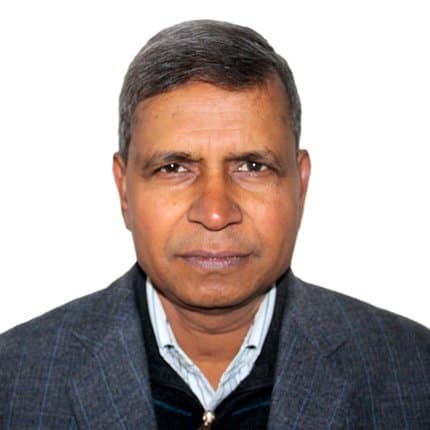
An overview of leprosy care in Nepal: A lifelong experience from leprosy center in Nepal
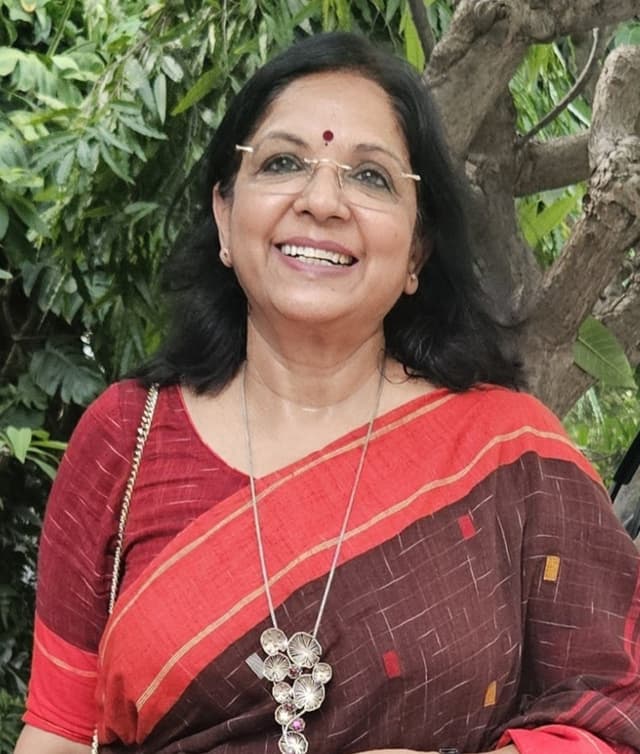
Clinical Conundrums in Leprosy
Scabies disease burden and unmet needs
Overview of published articles on NTDs in Skin Health and Disease journal
Mycobacterial infections in children
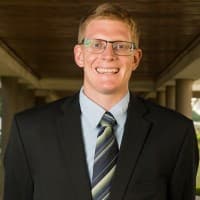
AI & Skin NTDs: Use Case Potential & Pitfalls
Faisal Dubash MBBS, MRCP (UK), MSc

Interesting Leprosy cases and Clinical mimickers of Leprosy: How dermatopathology clinched The Diagnosis
Post Kalazar Dermal Leishmaniasis in Nepal
Implementation and assessment of the WHO SkinNTDs app in Cameroon
Dermatoscopy of Neglected Tropical Diseases
Understanding Chronic Itch in Neglected Diseases

Larva Migrans
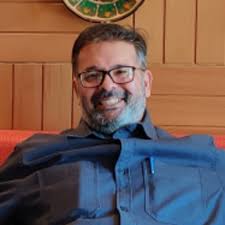
Beyond The list: Unrecognized NTDs in India
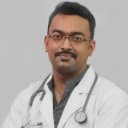
Lepra Reactions
Kinnor Das MBBS, MD
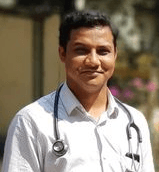
Management Challenges of Scabies in Bangladesh

Cynidae Pigmentation in a 21-Year-Old Patient During Monsoon Season: A Case Report and Review of Literature.

Scabies
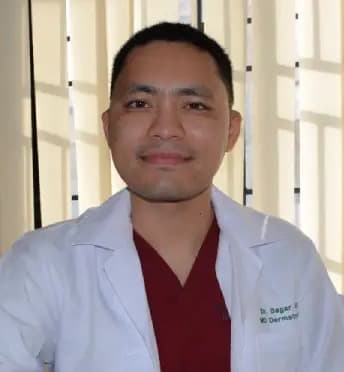
Diagnosing Cutaneous Leishmaniasis (CL) in resource poor setting in Nepal
Miscellaneous Skin Diseases
Skin cancer in a cohort of patients with oculocutaneous albinism in Haiti
How to manage PIH in Asian Skin

Interesting Cases in Vulval Dermatology

The new mexican gene in Trichothiodystrophy.
Dermoscopy in STDs
ISAD Open WHO course in AD on black skin
Might interest you
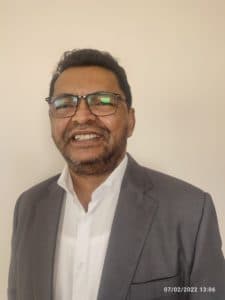
Cutaneous Medicine: Multidisciplinary Approaches in Dermatology
Chair: Prof. Fahafahantsoa Rapelanoro Rabenja,
This course explores the intersection of dermatology with other medical specialties, emphasizing a collaborative approach to diagnosing and managing complex skin disorders. It covers a wide range of topics, including dermatopathology, rheumatology, oncology, and infectious diseases, highlighting how systemic conditions manifest cutaneously. With contributions from experts in various fields, the text provides comprehensive insights into multidisciplinary care, advanced diagnostic techniques, and innovative treatments. Ideal for dermatologists, internists, and specialists, it bridges gaps between disciplines to improve patient outcomes in cutaneous medicine.
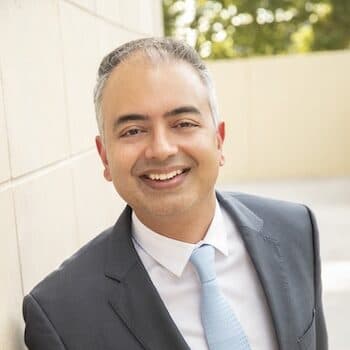
Pigmentation
Chair: Dr Seemal Desai, MD, FAAD
Hyperpigmentation is excess skin color from melanin. Understand melanin synthesis mechanisms and main causes.
Neglected Tropical Skin Diseases
Chair: Dr. Prajwal Pudasaini, MD
Neglected tropical skin diseases affect poor populations in tropical areas. They include leprosy, mycetoma, and cutaneous leishmaniasis, causing disability and stigma. They receive little attention and resources, leading to poor diagnosis and treatment. Increased awareness and improved healthcare access are needed to help affected communities.
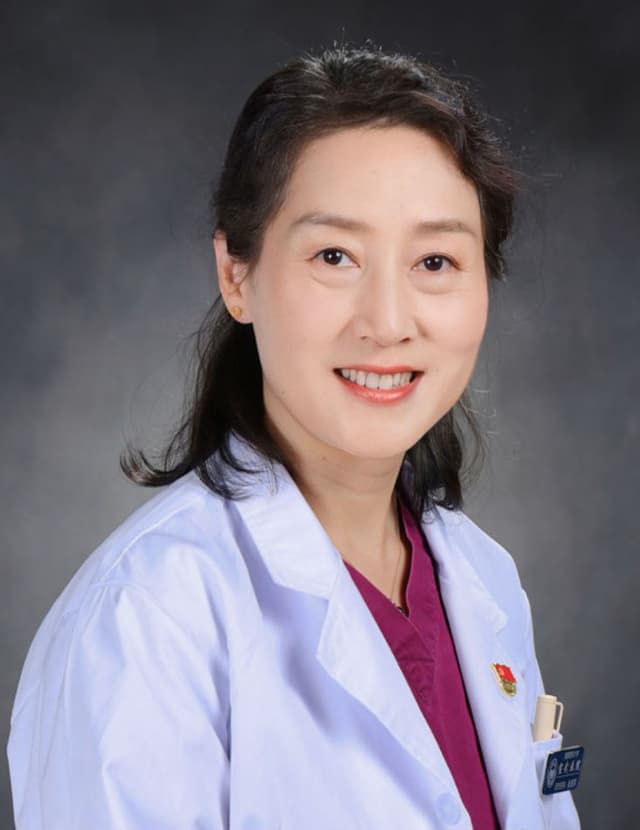
Acne Treatment in China
Chair: Prof. Haiping Zhang, PhD
Acne treatment in China combines traditional methods with modern practices.
Cyspera Medical Education
Chair: Global Dermatology,
Cyspera® is a topical pigment-correcting treatment formulated with cysteamine, a naturally occurring compound that reduces the appearance of persistent hyperpigmentation, including melasma, post-inflammatory hyperpigmentation, and lentigines. It is known for being non-hydroquinone, suitable for long-term use, and effective on all skin types.
Topographic Dermoscopy
Chair: Prof. Awatef Kelati, MD, PhD
Topographic dermoscopy refers to the region-specific application of dermoscopic examination, emphasizing the unique morphological patterns found across different anatomical sites. On facial skin, the dermoscopic assessment requires recognizing patterns influenced by the high density of pilosebaceous units and sun-induced changes, often presenting pseudonetworks and annular-granular structures. The ear, with its thin skin and sebaceous gland concentration, reveals specific vascular and follicular clues important in distinguishing benign from malignant lesions.
On the chest and back, where the skin is thicker and sun exposure varies, dermoscopy must account for irregular pigment distribution and architectural disorder, especially in large nevi or early melanomas. Limb lesions may show distinctive features due to mechanical friction, hair density, and vascular variations, demanding precise interpretation to identify atypical nevi or skin cancers.
Palmar and plantar dermoscopy highlights the parallel ridge pattern critical for melanoma diagnosis, contrasting with benign acral patterns like the parallel furrow or lattice-like structures. Scalp and hair disorders benefit from trichoscopy, where dermoscopic evaluation reveals specific signs such as yellow dots, broken hairs, or black dots, aiding in the diagnosis of alopecia areata, androgenetic alopecia, or tinea capitis.
In nail disorders, onychoscopy enables visualization of melanonychia, hemorrhages, and nail matrix changes, crucial for distinguishing subungual melanoma from benign causes like trauma or fungal infection. Mucosal dermoscopy, though technically challenging, provides diagnostic clues in pigmented lesions of the lips, genitalia, or oral mucosa, requiring adaptation to moist, non-keratinized surfaces.
Finally, ultraviolet dermoscopy reveals a unique application: scabies mites fluorescing bright green under UV light, enhancing detection when traditional visualization fails. Topographic dermoscopy thus demands both anatomical knowledge and technical adaptation to maximize diagnostic accuracy across diverse body sites.
ACNE
Chair: Dr. Jerry Tan, MD
The ACNE | Education Series, led by Dr. Jerry Tan, is a comprehensive global medical education initiative designed to enhance the understanding and skills of dermatologists and healthcare practitioners regarding acne. Participants will gain insights from leading international experts on the latest advancements in acne research, innovative treatment options, and patient-centered care approaches. The event features interactive discussions, live Q&A sessions, and evidence-based strategies, all at no cost. The esteemed faculty includes specialists from the USA, Italy, France, the UK, Singapore, Greece, Australia, Canada, and Germany. This is a valuable opportunity to improve clinical competencies and stay updated on current acne management practices.
Attendees will acquire up-to-date knowledge on acne pathophysiology, new therapeutic options, and patient-oriented management strategies to optimize clinical outcomes in acne treatment. The session will also provide practical insights through expert-led discussions and evidence-based approaches.
Psychodermatology
Chair: Prof Mohammad Jafferany, MD
This specialized course explores the vital intersection between dermatology and mental health, equipping clinicians with the knowledge and tools to manage psychodermatological conditions effectively. Through a blend of theoretical knowledge and practical application, participants will learn to diagnose and treat dermatological delusional disorders, identify psychiatric comorbidities in skin disease patients, and implement mental health strategies for chronic dermatoses. The curriculum also examines psychological factors in cosmetic dermatology and provides cutting-edge screening techniques for body dysmorphic disorder, including modern digital manifestations like Zoom dysmorphia. Adopting a patient-centered approach, the course emphasizes multidisciplinary management of conditions where psychological and dermatological factors interact. Participants will gain expertise in recognizing psychiatric components of skin diseases, addressing the emotional
burden of chronic conditions, and applying ethical principles in cosmetic practice. The training combines expert instruction with case-based learning to bridge theory and clinical practice. Designed for dermatologists, psychiatrists, psychologists, and primary care providers, this program enhances clinicians' ability to deliver holistic care that addresses both the visible and invisible aspects of skin disorders. Upon completion, practitioners will be better prepared to manage complex psychodermatological cases while improving patient outcomes through integrated mind-skin healthcare.
Tropical Dermatology and Neglected Tropical Dermatoses
Chair: Prof. Fahafahantsoa Rapelanoro Rabenja,
Dermatological diseases, particularly neglected tropical diseases (NTDs) with skin manifestations like deep mycosis (chromoblastomycosis, sporotrichosis, mycetoma), scabies, leprosy, lymphatic filariasis, and cutaneous leishmaniasis, pose major challenges for healthcare systems in resource-limited regions of Africa, Asia, and Latin America. These conditions severely affect vulnerable populations, suffering from frequent underdiagnosis and inadequate treatment that exacerbates suffering. Diseases such as atopic dermatitis are also under consideration for inclusion as skin NTDs through collaborative efforts involving ISAD, ASDV, and WHO. Furthermore, albinism, highly prevalent in sub-Saharan Africa, presents significant social challenges including stigmatization and occult beliefs. Despite these complex difficulties, the field is undergoing a historic transformation driven by science and technology, particularly artificial intelligence (AI), which offers tangible tools for improving diagnosis, treatment, and prevention. The participation of global experts facilitates vital knowledge exchange, exploration of innovative solutions, and helps address critical shortages of human and material resources in remote areas.
Learning Objective:
Understand the complex challenges posed by dermatological diseases, especially skin NTDs and conditions like albinism, in resource-limited settings, and recognize the critical role of global collaboration, technological innovation (particularly AI), and expert knowledge exchange in developing solutions to improve diagnosis, treatment, prevention, and resource allocation.
Dermoscopy
Chair: Prof Awatef Kelati, MD, PhD
This comprehensive dermoscopy course provides dermatologists and healthcare professionals with essential skills in skin lesion evaluation, covering fundamental principles through advanced diagnostic applications across five key areas: global dermoscopy practices, pigmented lesion analysis (including differentiation of benign and malignant patterns), specialized techniques for skin of color, skin cancer detection (melanoma and non-melanoma), and general dermatological conditions (inflammatory, infectious, and hair/nail disorders). Participants will develop proficiency in recognizing diagnostic patterns, adapting techniques for diverse skin types, and applying dermoscopic algorithms, ultimately enhancing their clinical accuracy through a combination of theoretical knowledge and practical case-based learning. The course emphasizes real-world application, addressing both common and challenging scenarios in dermatological practice.