Experiences initiating Dermatological care in rural Rwanda: dual mission of medical education and patient care.
Speaker
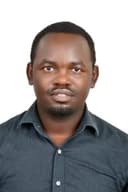
NDAGIJIMANA Jean Bosco
RWANDA
Dedicated and compassionate dermatologist seeking a challenging opportunity to contribute expertise in dermatological care to underserved areas of Rwanda. Eager to establish and lead community outreach programs focused on skin health and provide education to medical professionals, including doctors and nurses, to enhance their capabilities in recognizing and confidently treating common skin diseases. Committed to improving access to dermatological services and promoting overall skin wellness in resource-limited regions. Education 2019-2022 Alexandria University MMed Dermatology, Venereology & Andrology 2011-2026 University of Rwanda Bachelor of Medicine, Bachelor of Surgery Honors and awards List relevant awards, fellowships, honors, grants, and academic distinctions in reverse chronological order. Include a short description if necessary. August 2023 Derm-Link grant Grant by International League of Dermatology Societies (ILDS) to increase to dermatological care in Northern province, Rwanda. January 2023 Skincare for Developing Countries (SCDC) grant award. Grant from American Academy of Dermatology for Curriculum development and teaching medical students at University of Global Health Equity (UGHE), Rwanda January 2023 International Society of Dermatology membership award Membership that allows us to engage with various scientific organizations such as ILDS. NDAGIJIMANA Jean Bosco Resume 2 Teaching experience Taught Dermatology Junior Clerkship - DERM 501- MBBS 2025 May 2nd – June 30th, 2023, 30 medical students, covering following topics: Introduction to dermatology: skin exam, morphology and kodachromes, Diagnostic tests in Dermatology, Viral infections, and sexually transmitted infections. 2023-2023 University of Global Health Equity, Butaro, Rwanda Associate Professor, Dermatology • Developed quizzes, exams, and homework • Developed course materials/syllabus, lecturing, grading. • Clinical teaching in the hospital Professional training 2020-2020 Cosmetic procedures training Cosmetic Dermatology Clinic, Egypt Theoretical and hands-on training in basic cosmetic procedures: microneedling, laser hair removal, vitiligo surgery, chemical peeling, radiofrequency treatments, Botox treatments, etc. Professional affiliations 2023-present Rwanda Dermatology Society, General Secretary 2022-present 2022-present University of Global Health Equity Development of dermatology education curriculum IMCAS Academy- Aesthetic Surgery & Cosmetic Dermatology Member Professional service 2023-present Learn Derm, Writing review questions related to Personal learner experience with learnderm.com. NDAGIJIMANA Jean Bosco Resume 3 Community service 2023 Butaro Level 2 Teaching Hospital Establishment of first dermatology clinic in district hospital, Rwanda Dermatologist-lead monthly clinic for underserved people, Burera district, North province Languages Kinyarwanda Native language French English Intermediate Listener, Novice Speaker, Advanced Reading and Writing Fluent Computer skills Programming None Applications Word, Excel Platforms Instagram, twitter, LinkedIn, Facebook, YouTube
Source event
Description
Keywords: 1. Dermatological care 2. Medical teaching 3. Underserved areas 4. Healthcare Disparities Summary: Our collaborative initiative, funded by the American Academy of Dermatology, aimed to address the shortage of dermatologists in Rwanda's North Province. In partnership with the University of Global Health Equity and Butaro Level 2 Teaching Hospital, the project established a dermatology clinic, providing care to over 415 patients from January to December 2023. The initiative not only offered essential dermatological services but also integrated medical teaching into the program. Despite challenges, the success of this model highlights its potential for replication in underserved areas, emphasizing the importance of innovative teaching and collaborations in addressing healthcare disparities.
Similar videos
Source event Program
GLODERM Mentees
Chair: Esther FREEMAN
Introduction - GLODERM Mentees
CLIMATE CHANGE & DERM HEALTH
Improving access to dermatology care in rural Kenya
Integration of Teledermatology and Community Health in addressing disparities in skin care through Community Health Workers in Bagamoyo, Tanzania.
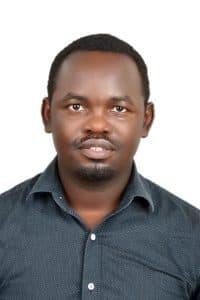
Experiences initiating Dermatological care in rural Rwanda: dual mission of medical education and patient care.
Epidemiological and Clinical Aspect and risk Factors of Leprosy Reactions in Malagasy People from 2012 to 2022
DISCUSSIONS - GLODERM Mentees
Might interest you
Cutaneous Medicine: Multidisciplinary Approaches in Dermatology
Chair: Prof. Fahafahantsoa Rapelanoro Rabenja,
This course explores the intersection of dermatology with other medical specialties, emphasizing a collaborative approach to diagnosing and managing complex skin disorders. It covers a wide range of topics, including dermatopathology, rheumatology, oncology, and infectious diseases, highlighting how systemic conditions manifest cutaneously. With contributions from experts in various fields, the text provides comprehensive insights into multidisciplinary care, advanced diagnostic techniques, and innovative treatments. Ideal for dermatologists, internists, and specialists, it bridges gaps between disciplines to improve patient outcomes in cutaneous medicine.
Pigmentation
Chair: Dr Seemal Desai, MD, FAAD
Hyperpigmentation is excess skin color from melanin. Understand melanin synthesis mechanisms and main causes.
Neglected Tropical Skin Diseases
Chair: Dr. Prajwal Pudasaini, MD
Neglected tropical skin diseases affect poor populations in tropical areas. They include leprosy, mycetoma, and cutaneous leishmaniasis, causing disability and stigma. They receive little attention and resources, leading to poor diagnosis and treatment. Increased awareness and improved healthcare access are needed to help affected communities.
Acne Treatment in China
Chair: Prof. Haiping Zhang, PhD
Acne treatment in China combines traditional methods with modern practices.
Cyspera Medical Education
Chair: Global Dermatology,
Cyspera® is a topical pigment-correcting treatment formulated with cysteamine, a naturally occurring compound that reduces the appearance of persistent hyperpigmentation, including melasma, post-inflammatory hyperpigmentation, and lentigines. It is known for being non-hydroquinone, suitable for long-term use, and effective on all skin types.
Topographic Dermoscopy
Chair: Prof. Awatef Kelati, MD, PhD
Topographic dermoscopy refers to the region-specific application of dermoscopic examination, emphasizing the unique morphological patterns found across different anatomical sites. On facial skin, the dermoscopic assessment requires recognizing patterns influenced by the high density of pilosebaceous units and sun-induced changes, often presenting pseudonetworks and annular-granular structures. The ear, with its thin skin and sebaceous gland concentration, reveals specific vascular and follicular clues important in distinguishing benign from malignant lesions.
On the chest and back, where the skin is thicker and sun exposure varies, dermoscopy must account for irregular pigment distribution and architectural disorder, especially in large nevi or early melanomas. Limb lesions may show distinctive features due to mechanical friction, hair density, and vascular variations, demanding precise interpretation to identify atypical nevi or skin cancers.
Palmar and plantar dermoscopy highlights the parallel ridge pattern critical for melanoma diagnosis, contrasting with benign acral patterns like the parallel furrow or lattice-like structures. Scalp and hair disorders benefit from trichoscopy, where dermoscopic evaluation reveals specific signs such as yellow dots, broken hairs, or black dots, aiding in the diagnosis of alopecia areata, androgenetic alopecia, or tinea capitis.
In nail disorders, onychoscopy enables visualization of melanonychia, hemorrhages, and nail matrix changes, crucial for distinguishing subungual melanoma from benign causes like trauma or fungal infection. Mucosal dermoscopy, though technically challenging, provides diagnostic clues in pigmented lesions of the lips, genitalia, or oral mucosa, requiring adaptation to moist, non-keratinized surfaces.
Finally, ultraviolet dermoscopy reveals a unique application: scabies mites fluorescing bright green under UV light, enhancing detection when traditional visualization fails. Topographic dermoscopy thus demands both anatomical knowledge and technical adaptation to maximize diagnostic accuracy across diverse body sites.
ACNE
Chair: Dr. Jerry Tan, MD
The ACNE | Education Series, led by Dr. Jerry Tan, is a comprehensive global medical education initiative designed to enhance the understanding and skills of dermatologists and healthcare practitioners regarding acne. Participants will gain insights from leading international experts on the latest advancements in acne research, innovative treatment options, and patient-centered care approaches. The event features interactive discussions, live Q&A sessions, and evidence-based strategies, all at no cost. The esteemed faculty includes specialists from the USA, Italy, France, the UK, Singapore, Greece, Australia, Canada, and Germany. This is a valuable opportunity to improve clinical competencies and stay updated on current acne management practices.
Attendees will acquire up-to-date knowledge on acne pathophysiology, new therapeutic options, and patient-oriented management strategies to optimize clinical outcomes in acne treatment. The session will also provide practical insights through expert-led discussions and evidence-based approaches.
Psychodermatology
Chair: Prof Mohammad Jafferany, MD
This specialized course explores the vital intersection between dermatology and mental health, equipping clinicians with the knowledge and tools to manage psychodermatological conditions effectively. Through a blend of theoretical knowledge and practical application, participants will learn to diagnose and treat dermatological delusional disorders, identify psychiatric comorbidities in skin disease patients, and implement mental health strategies for chronic dermatoses. The curriculum also examines psychological factors in cosmetic dermatology and provides cutting-edge screening techniques for body dysmorphic disorder, including modern digital manifestations like Zoom dysmorphia. Adopting a patient-centered approach, the course emphasizes multidisciplinary management of conditions where psychological and dermatological factors interact. Participants will gain expertise in recognizing psychiatric components of skin diseases, addressing the emotional
burden of chronic conditions, and applying ethical principles in cosmetic practice. The training combines expert instruction with case-based learning to bridge theory and clinical practice. Designed for dermatologists, psychiatrists, psychologists, and primary care providers, this program enhances clinicians' ability to deliver holistic care that addresses both the visible and invisible aspects of skin disorders. Upon completion, practitioners will be better prepared to manage complex psychodermatological cases while improving patient outcomes through integrated mind-skin healthcare.
Tropical Dermatology and Neglected Tropical Dermatoses
Chair: Prof. Fahafahantsoa Rapelanoro Rabenja,
Dermatological diseases, particularly neglected tropical diseases (NTDs) with skin manifestations like deep mycosis (chromoblastomycosis, sporotrichosis, mycetoma), scabies, leprosy, lymphatic filariasis, and cutaneous leishmaniasis, pose major challenges for healthcare systems in resource-limited regions of Africa, Asia, and Latin America. These conditions severely affect vulnerable populations, suffering from frequent underdiagnosis and inadequate treatment that exacerbates suffering. Diseases such as atopic dermatitis are also under consideration for inclusion as skin NTDs through collaborative efforts involving ISAD, ASDV, and WHO. Furthermore, albinism, highly prevalent in sub-Saharan Africa, presents significant social challenges including stigmatization and occult beliefs. Despite these complex difficulties, the field is undergoing a historic transformation driven by science and technology, particularly artificial intelligence (AI), which offers tangible tools for improving diagnosis, treatment, and prevention. The participation of global experts facilitates vital knowledge exchange, exploration of innovative solutions, and helps address critical shortages of human and material resources in remote areas.
Learning Objective:
Understand the complex challenges posed by dermatological diseases, especially skin NTDs and conditions like albinism, in resource-limited settings, and recognize the critical role of global collaboration, technological innovation (particularly AI), and expert knowledge exchange in developing solutions to improve diagnosis, treatment, prevention, and resource allocation.
Dermoscopy
Chair: Prof Awatef Kelati, MD, PhD
This comprehensive dermoscopy course provides dermatologists and healthcare professionals with essential skills in skin lesion evaluation, covering fundamental principles through advanced diagnostic applications across five key areas: global dermoscopy practices, pigmented lesion analysis (including differentiation of benign and malignant patterns), specialized techniques for skin of color, skin cancer detection (melanoma and non-melanoma), and general dermatological conditions (inflammatory, infectious, and hair/nail disorders). Participants will develop proficiency in recognizing diagnostic patterns, adapting techniques for diverse skin types, and applying dermoscopic algorithms, ultimately enhancing their clinical accuracy through a combination of theoretical knowledge and practical case-based learning. The course emphasizes real-world application, addressing both common and challenging scenarios in dermatological practice.