The hidden burden: Body image and psychosocial impact of skin disease

11 min

スピーカー

Speaker profile

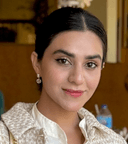
Mahnoor Kanwal

Pakistan

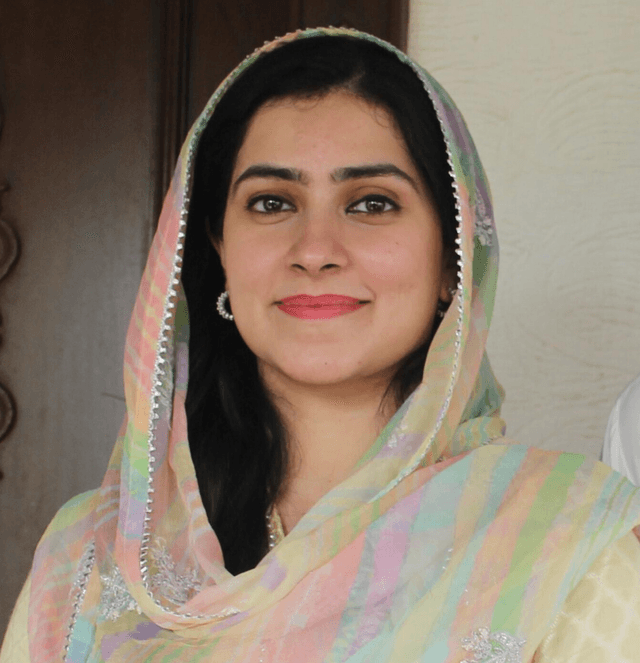
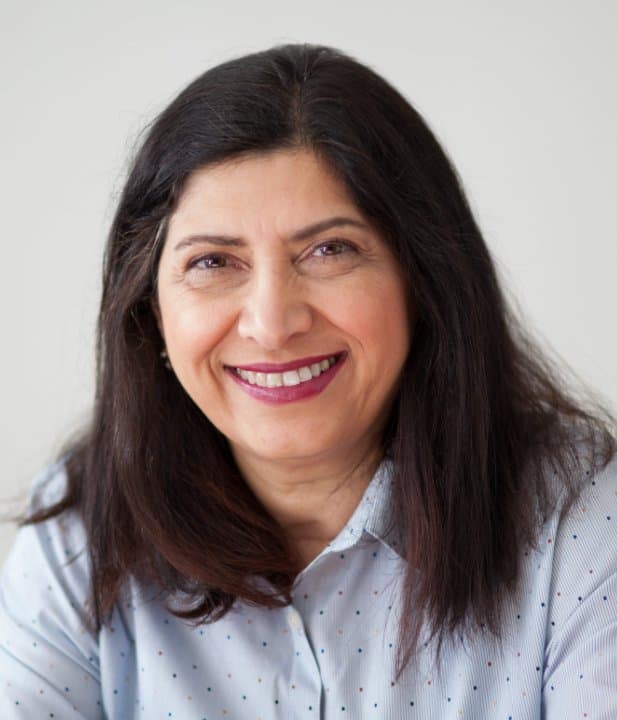
Dr. Mahnoor Kanwal, MBBS, MSc (Aesthetic Medicine, Healthy Aging & Regenerative Medicine) MCPS Resident, Department of Dermatology, Ghurki Trust Teaching Hospital, Lahore Residing at House 2 HH, Phase 4, Dha, Lahore 54000, Pakistan. I am Dr. Mahnoor Kanwal, currently serving as a Resident in the Department of Dermatology at Ghurki Trust Teaching Hospital, Lahore. I hold an MSc in Aesthetic Medicine, Healthy Aging, and Regenerative Medicine from UCSI University, Kuala Lumpur, Malaysia. My academic and clinical interests lie in the intersection of dermatology, regenerative medicine, and mental health. I have always been passionate about understanding how the skin reflects not only physical health but also emotional and psychological well-being. My growing interest in psychodermatology emerged from recognizing the profound impact that skin conditions have on an individual’s confidence and quality of life. In today’s Generation Z and beyond, where social media has amplified the emphasis on appearance and self-awareness, the psychological burden of dermatological disorders has become increasingly evident. Through my work and ongoing training, I aim to promote a holistic approach to dermatologic care, one that values the mind-skin connection, encourages mental resilience, and integrates regenerative and aesthetic science to enhance overall well-being. I aspire to contribute to research and clinical practice that bridge the gap between dermatology and psychiatry, helping patients heal not just their skin, but their self-image and emotional health as well.

ソースイベント
Event thumbnail

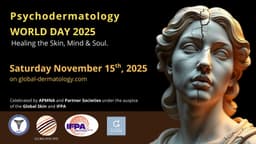
Psychodermatology | WORLD DAY 2025

Welcome to the Psychodermatology | World Day 2025!


Dear Partners & Colleagues,


Skin health is an intricate balance between physical and psychological factors, shaping our overall well-being. We are delighted to announce the return of World Psychodermatology Day on Saturday, November 15, 2025.


Psychodermatology continues to evolve, weaving together insights from dermatology and psychiatry to enhance patient care. Join us for a day of exploration and collaboration, where experts, clinicians, and enthusiasts convene to delve deeper into the mind-skin connection.


As we embark on this journey, we invite you to partner with us in advancing research, fostering collaboration, and amplifying our impact on patient lives. Together, let's uncover new horizons in psychodermatology and make a lasting difference. Thank you for your invaluable support and partnership.


Celebrated Under the Auspices of:

GlobalSkin – International Alliance of Dermatology Patient Organizations

IFPA – International Federation of Psoriasis Associations

CSD – Coalition of Skin Diseases Organization


Organized by Psychodermatology Societies from Around the World:

APMNA – Association for Psychocutaneous Medicine of North America

ESDaP – European Society for Dermatology and Psychiatry

JPSD – Japanese Psychosomatic Dermatology

Chinese Psychodermatology Group

PDAI – Psychodermatology Association of India

ADEPS Argentina – Academia Argentina de Dermatologia Y Psiquiatria

DKPM – German College of Psychosomatic Medicine

Psychodermatology UK

UADV – Ukrainian Academy of Dermatology and Venereology


Healing the Skin, Mind & Soul.


Saturday, November 15th on

Global Dermatology

2025年11月15日Live Event

説明

Skin disease affects not only physical appearance but also self-perception, social functioning, and emotional health. Many patients experience shame, avoidance, anxiety, and stigma, even when their dermatologic condition is mild. Body image lies on a spectrum from healthy acceptance to distress and psychiatric conditions such as body dysmorphic disorder. Psycho-dermatology recognizes that emotional stress can both result from and worsen skin conditions through neuro-immune pathways. Integrating psychological care into dermatology improves adherence, reduces relapse, and enhances overall well-being. Empathy, brief validated screening tools, supportive counseling, and collaborative referral models can be applied effectively, even in resource-limited settings.

類似のビデオ

Loading...

Source event Program

INTRODUCTION

Introduction
Partner image

Introduction - Psychodermatology | WORLD DAY 2025

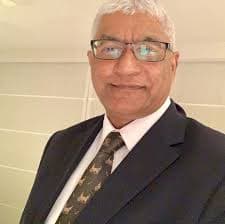
Professor at Central Michigan University in Saginaw, Michigan. My areas of interest Psychodermatology and Psychiatric aspects of hair disease. Psychotrichology, Skin picking and delusions of parasitosis are my other areas of interest and expertise. I am currently Executive Secretary of Association for Psychocutaneous Medicine of North America. I am author and editor of several books on Psychodermatology.

GENERAL PSYCHODERMATOLOGY

Chair: Prof. Ladan Mostaghhimi (USA), Co-chair: Prof. Alia Galadari (UAE)
Partner image

Mental Health in Dermatology: How to approach mental health and referring to MH providers
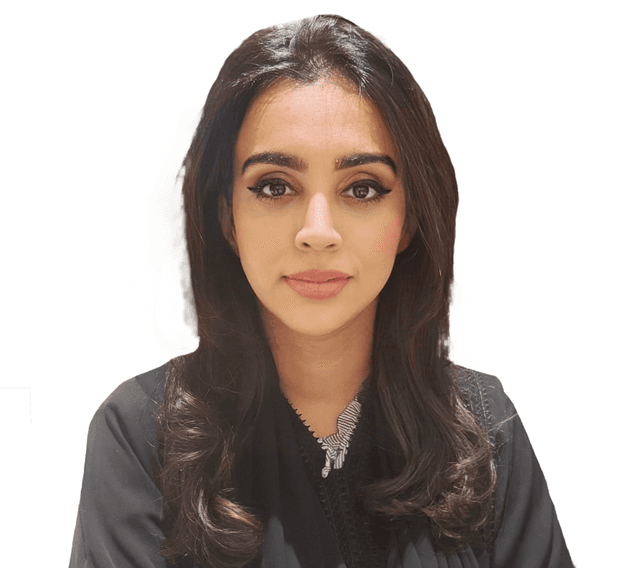
Dr. Mostaghimi directed the University of Wisconsin-Madison Psychocutaneous Clinic in the Department of Dermatology, helping patients with complex ailments that have their root cause in either or both disciplines of Dermatology and Psychiatry. She left her clinic to expand her research and clinical work in a more independent setting. She has since established Wisconsin Psychocutaneous Clinic as an autonomous private practice in Madison. The primary role of the clinic is education and consulting other physicians so that in collaboration, we can care holistically for patients with Psychocutaneous ailments. The clinic does not offer individual patient services at this time. We offer patient care for general psychiatry through contract with medical practices. Dr. Mostaghimi is a proud Emeritus professor of the University of Wisconsin, Madison.
Partner image

The art of healing in Psychodermatology
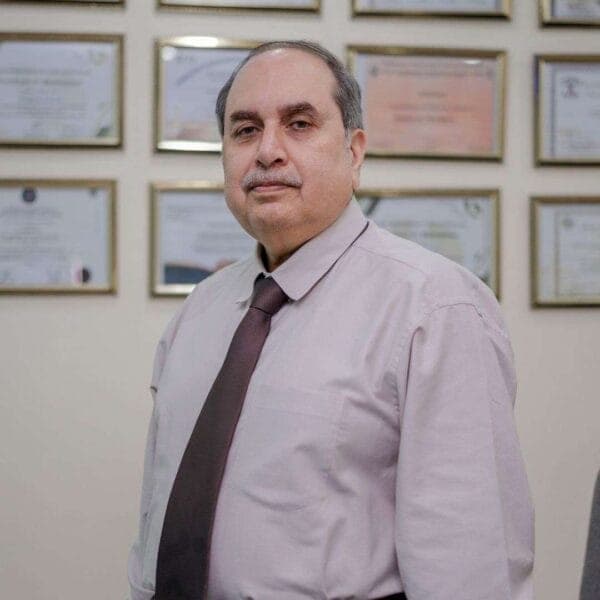
Dr. Alia Galadari is a French and European Board-Certified Consultant Dermatologist at Dubai Health, Rashid Hospital, and Core Faculty at Mohammed Bin Rashid University (MBRU). She completed her dermatology training and fellowship in Genodermatoses and Interventional Dermatology at Hôpital Saint-Louis, Paris. Dr. Galadari holds master’s degrees in Practical Dermatology (Cardiff University), Health Policy (Imperial College London), and Minimally Invasive Aesthetics (University College London), and is currently pursuing a Doctorate in Business Administration in Health at UCL. Her academic and clinical interests focus on psychodermatology, narrative medicine, and the integration of art and digital technology in dermatological care. She leads several innovative education and awareness projects that bridge emotion, storytelling, and skin health across the MENA region.
Partner image

The hidden crisis- Understanding suicidal risk in chronic dermatoses
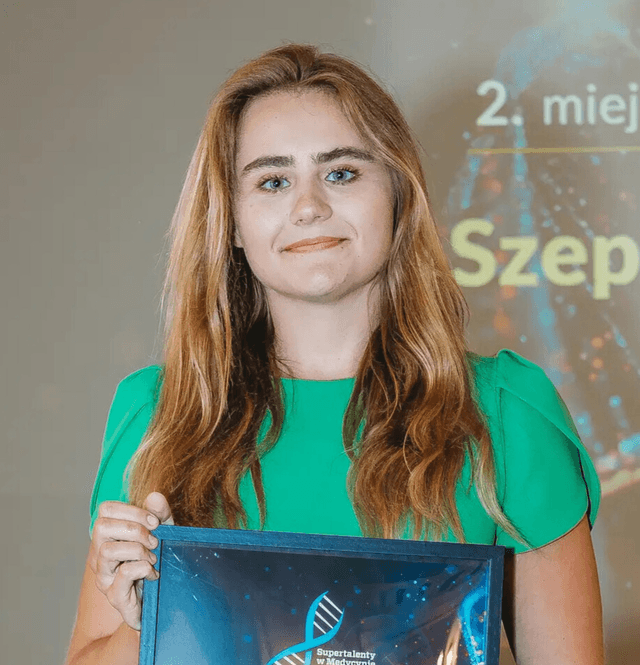
Prof Dr. Tariq Rashid is a Consultant Dermatologist having 28 years experience in teaching and training of dermatology as well as of managing all variety of skin disorders both mild and severe including Acne, Eczema,Psoriasis,Vitiligo , Alopecia and aesthetic problems. He trained 67 specialists including FCPS, MD and MCPS in the field of Dermatology.
Partner image

Attitudes of adolescents towards people with skin problems.
Dr at the Department of Dermatology, Venereology and Allergology, Wroclaw Medical University, Wroclaw, Poland.
Partner image

Psychophysiological and psychometric parameters of psoriasis and atopic dermatitis.

I’m Dr. Szabolcs Bozsányi, MD, PhD, a dermatology resident at the Central Hospital of Northern Pest – Military Hospital in Budapest with a research focus on psychodermatology and skin imaging. My work explores the interaction between stress, emotional regulation, and chronic inflammatory skin diseases such as psoriasis and atopic dermatitis. In my PhD years and later research, including my Journal of Clinical Medicine publication on frontal hemispheric lateralization, I investigated how psychological and physiological factors jointly influence psoriasis and atopic dermatitis mechanisms. After a postdoctoral fellowship at Roswell Park Comprehensive Cancer Center (Buffalo, NY), besides my residency I continue to study psychophysiological biomarkers of stress to better understand the mind–skin connection. I believe in a holistic approach to dermatology that combines medical therapy with psychological insight, aiming to improve both skin health and overall well-being.
Partner image

Beyond the surface; the psychological dimensions of skin health

Dr. Diala Haykal, MD Cosmetic and Laser Physician – International Speaker – Researcher – Educator Dr. Diala Haykal is a distinguished medical doctor specializing in aesthetic and laser dermatology. She earned her Doctorate in Medicine from the Faculty of Medicine at Pierre and Marie Curie University (Paris VI), receiving the Pierre Ageorges Prize for best medical thesis. She pursued further executive education at HEC Paris, Harvard University, and Cambridge Judge Business School, with specialized diplomas in Artificial Intelligence (Harvard, MIT Sloan) and Pharmacogenomics (Mayo Clinic). Dr. Haykal’s clinical expertise includes non-invasive rejuvenation, regenerative medicine, energy-based devices, and AI-assisted personalized care. Her scientific contributions focus on the integration of lasers and regenerative technologies to enhance cellular regeneration and epigenetic modulation. She has authored numerous international publications and serves as an editor for the Journal of Cosmetic Dermatology and Frontiers in Medicine. She is also an esteemed peer reviewer for leading dermatological journals. Her innovative work has garnered prestigious awards, including four consecutive honors from the French Society of Laser Dermatology and multiple IMCAS awards (Paris, Asia, Americas). A recognized Key Opinion Leader, Dr. Haykal collaborates with top-tier aesthetic industries and contributes to the development of cutting-edge protocols. She is an international speaker at major congresses, and a dedicated educator and mentor. Dr. Haykal is a board-certified member of: • The American Board of Aesthetic Medicine • The American Board of Regenerative Medicine • The American Society for Laser Medicine and Surgery • The European Society for Lasers and Energy-Based Devices • The French Society of Laser Dermatology • The European AI Alliance Her work bridges clinical excellence, technological innovation, and patient-centered care, placing her at the forefront of modern dermatology and aesthetic science.

PSYCHOTHERAPY IN DERMATOGY

Partner image

Relaxation therapy, a useful adjunct in the management of psoriasis
Dermatologist in Chevayoor Kozhikode
Partner image

Soothing the systems: How touch and Neurocosmetics calm the inflammatory cycle.

Dr. Keira Barr is a prominent leader in women’s medicine – creating a bridge between hormones, skin and mind-body medicine to optimize women’s mid-life experience. A fierce patient advocate and completely dedicated to uncovering the root cause of hormonal imbalances, Dr. Barr empowers women worldwide to take control of their health and their hormones in menopause. She is an international speaker, best selling author, clinical educator, and considered a leading authority on women’s health. As a former Assistant Clinical Professor at UC Davis in the departments of dermatology and pathology, editorial reviewer of multiple leading medical journals, medical advisor within the personal care and tech communities, and researcher in clinical trials, Dr Barr is dedicated to providing the most-cutting edge and innovative solutions for women. Her work has been featured in the MindBodyGreen, Bustle, Reader’s Digest, Glamour, SELF, Oprah Magazine, and more.
Partner image

From Stress to Skin: The Role of Psychotherapy in Dermatology”

Dr. Karina Malvido. Argentina University Dermatologist. Diploma in Psychodermatology Member of the Dermatology Department at Center for Medical Education and Clinical Research (CEMIC) Coordinator of the second year of the Specialist Degree in Dermatology at the University of Buenos Aires (UBA) Lecturer in the Dermatology Department at the Alfredo Lanari Medical Research Institute, University of Buenos Aires (UBA) National Delegate for Argentina at the Ibero-Latin American College of Dermatology (CILAD) Member of the European Society of Dermatology and Psychiatry (ESDaP) Honorary Academician of the Academy of Dermatology and Psychiatry (ADEPSI) in Paraguay Member of the Board of Directors of the Argentine Society of Psoriasis (SOARPSO) Member of the Argentine Society of Dermatology (SAD) and the Argentine Association of Dermatology (AAD)
Partner image

Psychotherapeutic interventions in atopic dermatitis
Genevieve Arany-Lao-Kan is a second-year MD–PhD student and sixth-year medical student at the Department of Dermatology, Venereology and Dermatooncology, Semmelweis University, Budapest, Hungary. Her research is conducted under the supervision of Dr. Norbert Kiss and Dr. András Bánvölgyi, with scientific methodology guidance from Dr. Katalin Martyin and Fanni Meznerics. Her PhD project focuses on psychodermatological interventions in chronic skin diseases, with a particular emphasis on atopic dermatitis. Her work explores the relationship between psychological stress and dermatologic disease activity, aiming to integrate psychotherapy into standard dermatologic care. Genevieve’s completed systematic review and meta-analysis examined the efficacy of psychotherapy as an adjunct treatment in atopic dermatitis, demonstrating meaningful improvements in both disease severity and quality of life. Her ongoing international survey investigates current clinical practices and the global characteristics of psychological interventions in dermatology. Her academic vision is to reduce the psychological burden experienced by patients with atopic dermatitis through the implementation of psychotherapy as part of comprehensive, patient-centered care.
Partner image

Spirituality and Psychodermatological Interface
Dr Yasmin Al-Mulla Hummadi, is a UK-trained family physician with advanced specialization in dermatology and psychodermatology. She graduated from the University of Baghdad before completing postgraduate training in Family Medicine in the UK. Following a Diploma in Practical Dermatology, she did Masters in Practical Dermatology at Cardiff University, focusing her dissertation on psychodermatology and the integration of psychological and cutaneous health. Dr Hummadi is a Clinical Assistant Professor at Memorial University (Canada) and has taught medical students in both Dubai and Canada. She further expanded her expertise through a Diploma in Spiritual Psychotherapy at Cambridge College and is currently pursuing a diploma in Psychodermatology with the European Society for Dermatology and Psychiatry (ESDaP). She has presented at multiple international conferences and currently leads a mind–skin clinical practice in Oakville, Canada, where she applies a holistic, evidence-informed approach to patient care.
Partner image
Partner image

Acne Excoriee: Psychotherapeutic Possibilities/Approaches

Milla Balabanova (PhD), Julian Penev (MD)

BREAK
Partner image

PAUSE / BREAK

Global Dermatology

PSYCHOTRICHOLOGY

Chair: Prof. Yuliya Ovcharenko (Ukraine), Co chair: Prof. Asmahane Soussi (Tunisia)
Partner image

Self induced hair disorders as mimickers of different types of alopecias.
Nino Lortkipanidze, MD, PhD (graduated from Tbilisi Medical University, Georgia in 1996), Doctor (PhD) in Medicine (2006). Full Professor at D.Tvildiani Medical University (since 2022). Head of Department of Dermatology at MediClubGeorgia (since 2022). Head of Residency program in Dermatology and Venereology at Tbilisi Medical Academy (since 2018). President of Georgian Hair Research (since 2013). President of Eastern Europe and Asia Hair Research Society (since 2019) Author of over 50 scientific journal articles, co-author of the book “Psychotrichology”
Partner image

What is new in Psychotrichology

Professor of Department of General and Clinical Immunology and Allergology of V.N. Karazin Kharkiv National University Founder and Director of the "Institute of Trichology" – clinical, research and training center Founder and President of the Ukrainian Hair Research Society (UHRS) Board Member of the European Hair Research Society (EHRS) 2014-2017 Member of the Membership committee of the European Hair Research Society (EHRS) Author and supervisor of the national thematic advanced training "Modern methods of diagnosis and treatment in trichology" for dermatologists in Ukraine Medical Editor of "Dermatologist" (Russian-language version of the journal "Der Hautarzt"), member of the editorial board of "Trichology" journal at "Cosmetics and Medicine" publishing house Co-founder of the patient organization "Alopecia School" in Ukraine Author and co-author of over 100 scientific papers on trichology, 5 patents; co-author of guidelines for doctors, interns, and students "Alopecia areata pharmacotherapy," "Modern methods of diagnosis of non scarring alopecia"; co-author of "Trichology" Guideline in Ukraine; author and co-author 5th books - the First and the Second editions of the book "Trichology", "Injection methods in cosmetology", "Age and gender cosmetology", "Trichopathy in children" Member of the International Advisory Committee of the World Congress for Hair Research in Jeju (WCHR 2014) Member of the International Advisory Committee of the World Congress for Hair Research in Miami (WCHR 2015) Chair of the pre-course at the 17th EHRS Meeting in Tbilisi in 2016 (EHRS 2016) Member of the International Advisory Committee of the World Congress for Hair Research in Kioto (WCHR 2017) Member of the International Advisory Committee of the World Congress of Hair Trichoscopy in Warsaw (WCT 2018) Member of the International Advisory Committee of the 18th EHRS Meeting in Bologna in 2018 (EHRS 2018)
Partner image

Trichoscopy and mental health

Dr Mohamed Hassan is a Dermatology Specialist currently Head of Dermatology Department in Dibba Al Fujairah Hospital Emirates Health services in the United Arab Emirates with a history of comprehensive training in dermatology specialized hospitals Cairo Dermatology Hospital Al Haud Al Marsoud and Omraneya Dermatology and Leprosy Hospital with special interest and master classes certifications in Dermoscopy with over 5 years of experience in all aspects of the field including inflammascopy, entomoderscopy, onychoscopy, trichoscopy and high power video dermoscopy and currently headlining an effort to spear line a psychodermatology awareness initiative in the UAE He is a member of the European Academy of Dermatology and Venereology as well as the International Dermoscopy Society and the Emirates Dermatology Society
Partner image

Trichotillomania: Pharmacological Treatments Revisited

Piotr Krajewski, MD, PhD, is an Assistant and Research Fellow at the Division of Dermatology, Venereology and Clinical Immunology at Wrocław University of Science and Technology. He also works as a Guest Scientist at the Lübeck Institute of Experimental Dermatology at the University of Lübeck in Germany. Dr. Krajewski obtained his medical degree from Wrocław Medical University in 2019, including a year abroad at the University of Málaga in Spain through the Erasmus program. He completed his PhD at Wrocław Medical University’s Department of Dermatology, Venereology, and Allergology in 2023, and he became board-certified in Dermatology and Venereology in May 2025. Additionally, he earned a Master’s Degree in Trichology and Hair Transplant from the University of Alcalá in Madrid between 2023 and 2024. His research interests revolve around chronic skin conditions like hidradenitis suppurativa, as well as psychodermatology and the neurophysiology of itch. He’s published over 130 peer-reviewed articles, which have accumulated a total impact factor of 381.77 and nearly 1,000 citations. His work is recognized for its significance, with an h-index of 17 on Google Scholar, 18 on ResearchGate, and 15 on Web of Science. He also serves as a Guest Editor for several international journals. Dr. Krajewski has received several notable awards, such as being a finalist in the 2021 Polityka Science Awards, winning the 2023 START Scholarship from the Foundation for Polish Science, and receiving the 2024 Golden Otis Award of Trust.

QUALITY OF LIFE

Chair: Prof. Dimitre Dimitrov (Bulgaria/UAE), Cochair: Prof. Saadia Tabassum (Pakistan)
Partner image

Psychosocial implications of Vitiligo
FCPS (Dermatology), College of Physicians and Surgeons Pakistan, 2007. MBBS, Sindh Medical College, Karachi, 1995.
Partner image

Psychosocial implications of NTDs

Dr Parajuli is a senior consultant dermatologist working at National Academy of Medical Sciences, Bir Hospital, Kathmandu, Nepal. He is the current Vice-Chair of the NTD NGO Network Skin Cross Cutting Group. He is also the Steering Committee member of International Alliance for Global Health Dermatology (GLODERM) and one of the MENTOR for the Class 2024-2025. Furthermore, Dr Parajuli is the General Secretary for Society of Dermatologists, Venereologists and Leprologists of Nepal (SODVELON). His particular interests include the skin-related neglected tropical diseases, rare skin diseases and digital dermatology.
Partner image

Impact of chronic skin disorders on children’s quality of life

Ameera Khan MD
Partner image

Suicide in dermatology

Dr. Dimitre Dimitrov is a Consultant at Sheikh Khalifa Medical City, UAE. He Specialized in Dermatology. He has a special interest in Psychodermatology.
Partner image

Sleep and skin

MD candidate at TTUHSC Paul L. Foster School of Medicine · Experience: Robin Healthcare · Education: Texas Tech University Health Sciences Center El Paso
Partner image

Melatonin and Sleep Disturbances in Atopic Dermatitis
Specialist in dermatology, Department and Clinic of Dermatology, Jagiellonian University Medical College in Krakow
Partner image

Psychosocial aspects of genital psoriasis

Consultant, Clear skin Z.H Sikder women's medical college and hospital Advanced training in Dermatosurgery, Laser and sexual medicine.

PIGMENTATION

Partner image

The psychosocial aspects of hyperpigmentation
Dermatologist/ Dermatosurgeon based in Jakarta, Indonesia
Partner image

When the spirit is unmarked: The lived reality of Vitiligo
Professor, chief physician, doctoral supervisor​ Director of department of Dermatology, Xuanwu Hospital, Capital Medical University​ Director of Chinese psychodermatologist working group​ Chief Chinese translator of series monograph of psychodermatology, which including ‘Stress and Skin disorders’, ‘Essentials of Psychodermatology’, ‘Psychodermatology-The Psychological Impact of skin Disorders’ and ‘Clinical Cases in Psychocutaneous Disease’. ​
Partner image

Melasma and Depression

Dr. Sharmistha Deshpande is a skilled psychiatrist who has obtained an MD degree in the field. With her comprehensive understanding of mental health, Dr. Deshpande specializes in diagnosing, treating, and managing various psychiatric conditions. Her expertise in the field enables her to provide effective care and support to patients facing mental health challenges. Dr. Sharmistha Deshpande’s dedication to her profession, combined with her compassionate approach, has made her a trusted and respected psychiatrist among her patients.

BODYDYSMORPHIC DISORDER

Partner image

Exposure and Behavioral experiments in BDD
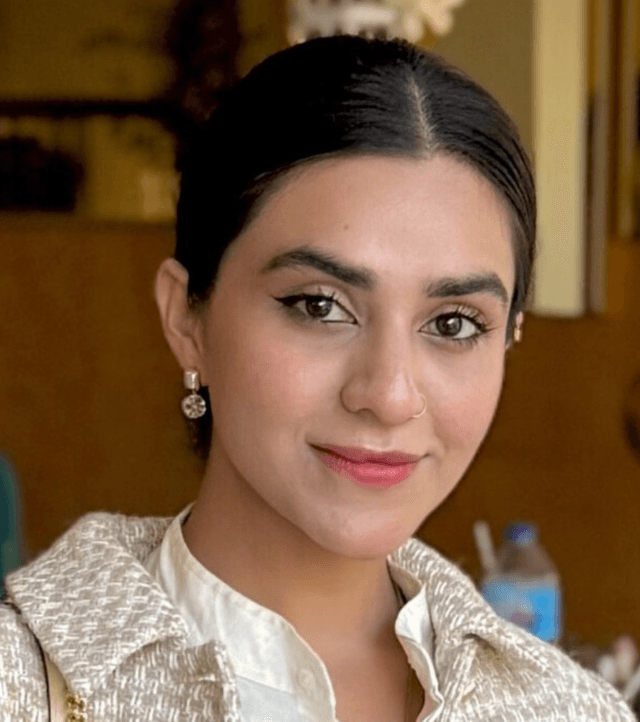
Christian is professor of clinical psychology and psychological diagnostics at the Fresenius University of Applied Sciences in Hamburg. He remains a visiting professor at Stradins University in Riga. Christian is a psychological psychotherapist (behavioral therapy) and supervisor and, in addition to psychodermatology, he deals a lot with obsessive-compulsive disorder and related disorders, trauma-related illnesses and the promotion of compassion.
Partner image

The hidden burden: Body image and psychosocial impact of skin disease
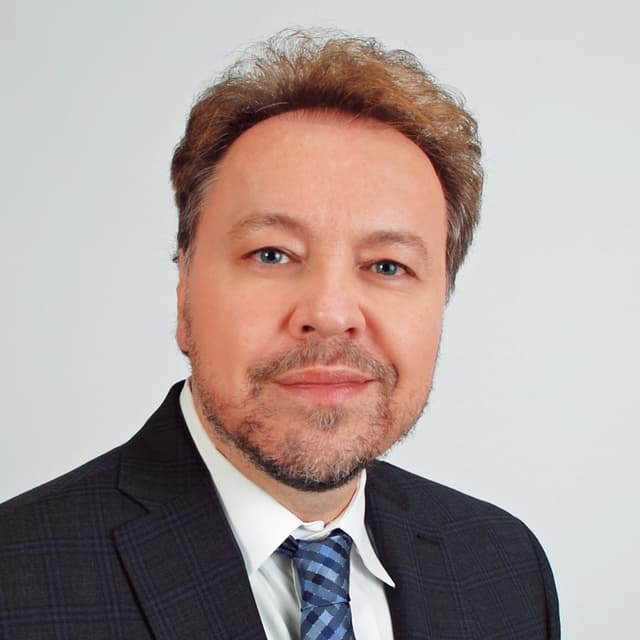
Dr. Mahnoor Kanwal, MBBS, MSc (Aesthetic Medicine, Healthy Aging & Regenerative Medicine) MCPS Resident, Department of Dermatology, Ghurki Trust Teaching Hospital, Lahore Residing at House 2 HH, Phase 4, Dha, Lahore 54000, Pakistan. I am Dr. Mahnoor Kanwal, currently serving as a Resident in the Department of Dermatology at Ghurki Trust Teaching Hospital, Lahore. I hold an MSc in Aesthetic Medicine, Healthy Aging, and Regenerative Medicine from UCSI University, Kuala Lumpur, Malaysia. My academic and clinical interests lie in the intersection of dermatology, regenerative medicine, and mental health. I have always been passionate about understanding how the skin reflects not only physical health but also emotional and psychological well-being. My growing interest in psychodermatology emerged from recognizing the profound impact that skin conditions have on an individual’s confidence and quality of life. In today’s Generation Z and beyond, where social media has amplified the emphasis on appearance and self-awareness, the psychological burden of dermatological disorders has become increasingly evident. Through my work and ongoing training, I aim to promote a holistic approach to dermatologic care, one that values the mind-skin connection, encourages mental resilience, and integrates regenerative and aesthetic science to enhance overall well-being. I aspire to contribute to research and clinical practice that bridge the gap between dermatology and psychiatry, helping patients heal not just their skin, but their self-image and emotional health as well.
Partner image

Diagnostic pearls of body dysmorphic disorder and zoom dysmorphea

Kroumpouzos George MD, Phd
Partner image

Body dysmorphic disorder in cosmetic dermatology: Ethical challenges and red flags.

Dr. Ratnakar Shukla Is a dermatologist hair transplant surgeon and laser expert with a 9-year of experience in the medical field. He is a dermatologist par excellence, an expert in treating complex and chronic skin problems his special interest is in Hair transplants and lasers. He is a keen learner and academically very active. He is regularly invited as a speaker at many national and international conferences. He is a life member of the Indian association of dermatology venereology and leprology.
Partner image

Body dysmorphic disorder in dermatology : the first European Guidance for its diagnosis and management by the ESDAP

Dr. Maria-Angeliki Gkini qualified from the Medical School of Aristotle University in Thessaloniki, Greece. She is an MSc holder in International Medicine-Health Crisis Management and she completed her PhD, focusing on the management of hair diseases. She completed her dermatology training at Barts Health NHS Trust in London, where she developed an interest in inflammatory skin diseases. She further pursued her clinical and research interests in Athens, Greece and in New York City, USA. She is a Fellow of the Royal College of Physicians. Currently, she is a Consultant Dermatologist at Barts Health NHS Trust, London and an Honorary Senior Lecturer at Queen Mary University, London, UK. She is running the specialist psoriasis, atopic dermatitis and hair clinics. Her special interests include inflammatory skin and hair diseases, advanced therapies (biologics and small molecules) and psychodermatology. Apart from her clinical work, Dr Gkini has an interest in clinical research and she has been a principal and sub-investigator in more than 50 multicenter studies. She has significant teaching experience, including teaching at the Postgraduate Diploma in Clinical Dermatology at Queen Mary University in London. Dr Gkini is actively involved in several organisations and societies and their committees, such as the EADV, the ESDAP, the IPC and Alopecia UK. She has participated in numerous national and international congresses as a speaker/invited speaker and she has published her research in international peer-reviewed journals. Dr Gkini has also been awarded numerous prizes and grants by prestigious institutions and organisations, such as the EADV, the BAD and the Royal College of Physicians.

BREAK 2

Partner image

PAUSE / BREAK

Global Dermatology

SOMATIC PSYCHODERMATOLOGY

Chair: Prof. Caroline Stamu Obrien (USA), Co-chair: Prof. Aliza Hashim (Pakistan)
Partner image

Dermatological conditions associated with obesity: A psychiatric perspective
Dr. Caroline Stamu-O'Brien is a psychiatrist in Brooklyn, New York, Department of Psychiatry, Aff. NYU Langone Medical Center, Woodhull Medical and Mental Health Center.
Partner image

Digital Tools in dermatology

Dermatologist 3 Years Experience Overall (1 year as specialist) Medical Registration Verified he is graduated MBBS in 2015 and pursued his passion for dermatology. He has also cleared US Medical Licensing Exams and has ECFMG-certified with research internships in the US. He won awards at conferences and has multiple publications in the academic field. He is dedicated to providing personalized dermatological care and deeply care about the mental health of his patients with skin or hair problems. He do not endorse unnecessary procedures or products. His highest priority is his patient's well-being.
Partner image

Invisible Infestation: Understanding and managing delusional parasitosis
Dr. Ayesha Arshad Chattha, working as Senior Registrar of Dermatology at Ghurki Trust Teaching Hospital, Lahore, Pakistan. She has keen interest in research and psychodermatology focussing on psychological aspects of skin disorders and their impact on patients quality of life’
Partner image

Factitious disorder in dermatology

Razvigor Darlenski is a dermatologist, associate professor, coming from Bulgaria. In 2010 he has defended a PhD thesis on the role of epidermal barrier for skin irritation and sensitization, and a DrSci thesis on the epidermal skin physiology adaptation in infancy. Currently he is working as dermatologist at Tokuda Hospital Sofia, Bulgaria. Dr. Darlenski has published more than 150 papers in peer-reviewed journal, 22 book chapters, with h-index of 18 and more than 1500 citations. Dr Darlenski is secretary general of the Bulgarian Dermatological Society, member of the Finance committee of the European Academy of Dermatology and Venereology, World Allergy Organization, European Academy of Allergology and Clinical Immunology, European Epidermal Barrier Research Network, International society of skin biophysics and imaging of the skin (ISBS). He is a winner of several awards among which EADV Alumni Lecturer of the Year (2016), Albert Kligman Young Investigator Award (2016), Global Education Award of the International Society of Dermatology (2013), Inaugural Edward L. Keyes award of the IACD (2012), EER fellow award of the ESDR and ASDV (2013), Michael Hornsetin Memorial Scholarship of the EADV (2009). His research interests are focused on skin barrier, skin allergy, atopic dermatitis, drug reactions of the skin and non-invasive methods in dermatology.
Partner image

Prurigo Nodularis: Understanding and managing the prototypical itch disorder

Aliza Hamadani MD

Might interest you
Cutaneous Medicine: Multidisciplinary Approaches in Dermatology
PsychodermatologyDermoscopyNeglected Tropical Disease

Cutaneous Medicine: Multidisciplinary Approaches in Dermatology

Chair: Prof. Fahafahantsoa Rapelanoro Rabenja,

This course explores the intersection of dermatology with other medical specialties, emphasizing a collaborative approach to diagnosing and managing complex skin disorders. It covers a wide range of topics, including dermatopathology, rheumatology, oncology, and infectious diseases, highlighting how systemic conditions manifest cutaneously. With contributions from experts in various fields, the text provides comprehensive insights into multidisciplinary care, advanced diagnostic techniques, and innovative treatments. Ideal for dermatologists, internists, and specialists, it bridges gaps between disciplines to improve patient outcomes in cutaneous medicine.
Pigmentation
Pigmentation

Pigmentation

Chair: Dr Seemal Desai, MD, FAAD

Hyperpigmentation is excess skin color from melanin. Understand melanin synthesis mechanisms and main causes.
Neglected Tropical Skin Diseases
Neglected Tropical Disease

Neglected Tropical Skin Diseases

Chair: Dr. Prajwal Pudasaini, MD

Neglected tropical skin diseases affect poor populations in tropical areas. They include leprosy, mycetoma, and cutaneous leishmaniasis, causing disability and stigma. They receive little attention and resources, leading to poor diagnosis and treatment. Increased awareness and improved healthcare access are needed to help affected communities.

Acne Treatment in China
TCM Chinese Medicine

Acne Treatment in China

Chair: Prof. Haiping Zhang, PhD

Acne treatment in China combines traditional methods with modern practices.

Cyspera Medical Education
Pigmentation

Cyspera Medical Education

Chair: Global Dermatology,

Cyspera® is a topical pigment-correcting treatment formulated with cysteamine, a naturally occurring compound that reduces the appearance of persistent hyperpigmentation, including melasma, post-inflammatory hyperpigmentation, and lentigines. It is known for being non-hydroquinone, suitable for long-term use, and effective on all skin types.
Topographic Dermoscopy

Topographic Dermoscopy

Chair: Prof. Awatef Kelati, MD, PhD

Topographic dermoscopy refers to the region-specific application of dermoscopic examination, emphasizing the unique morphological patterns found across different anatomical sites. On facial skin, the dermoscopic assessment requires recognizing patterns influenced by the high density of pilosebaceous units and sun-induced changes, often presenting pseudonetworks and annular-granular structures. The ear, with its thin skin and sebaceous gland concentration, reveals specific vascular and follicular clues important in distinguishing benign from malignant lesions.

On the chest and back, where the skin is thicker and sun exposure varies, dermoscopy must account for irregular pigment distribution and architectural disorder, especially in large nevi or early melanomas. Limb lesions may show distinctive features due to mechanical friction, hair density, and vascular variations, demanding precise interpretation to identify atypical nevi or skin cancers.

Palmar and plantar dermoscopy highlights the parallel ridge pattern critical for melanoma diagnosis, contrasting with benign acral patterns like the parallel furrow or lattice-like structures. Scalp and hair disorders benefit from trichoscopy, where dermoscopic evaluation reveals specific signs such as yellow dots, broken hairs, or black dots, aiding in the diagnosis of alopecia areata, androgenetic alopecia, or tinea capitis.

In nail disorders, onychoscopy enables visualization of melanonychia, hemorrhages, and nail matrix changes, crucial for distinguishing subungual melanoma from benign causes like trauma or fungal infection. Mucosal dermoscopy, though technically challenging, provides diagnostic clues in pigmented lesions of the lips, genitalia, or oral mucosa, requiring adaptation to moist, non-keratinized surfaces.

Finally, ultraviolet dermoscopy reveals a unique application: scabies mites fluorescing bright green under UV light, enhancing detection when traditional visualization fails. Topographic dermoscopy thus demands both anatomical knowledge and technical adaptation to maximize diagnostic accuracy across diverse body sites.
ACNE
Acne

ACNE

Chair: Dr. Jerry Tan, MD

The ACNE | Education Series, led by Dr. Jerry Tan, is a comprehensive global medical education initiative designed to enhance the understanding and skills of dermatologists and healthcare practitioners regarding acne. Participants will gain insights from leading international experts on the latest advancements in acne research, innovative treatment options, and patient-centered care approaches. The event features interactive discussions, live Q&A sessions, and evidence-based strategies, all at no cost. The esteemed faculty includes specialists from the USA, Italy, France, the UK, Singapore, Greece, Australia, Canada, and Germany. This is a valuable opportunity to improve clinical competencies and stay updated on current acne management practices.

Attendees will acquire up-to-date knowledge on acne pathophysiology, new therapeutic options, and patient-oriented management strategies to optimize clinical outcomes in acne treatment. The session will also provide practical insights through expert-led discussions and evidence-based approaches.
Psychodermatology
Psychodermatology

Psychodermatology

Chair: Prof Mohammad Jafferany, MD

This specialized course explores the vital intersection between dermatology and mental health, equipping clinicians with the knowledge and tools to manage psychodermatological conditions effectively. Through a blend of theoretical knowledge and practical application, participants will learn to diagnose and treat dermatological delusional disorders, identify psychiatric comorbidities in skin disease patients, and implement mental health strategies for chronic dermatoses. The curriculum also examines psychological factors in cosmetic dermatology and provides cutting-edge screening techniques for body dysmorphic disorder, including modern digital manifestations like Zoom dysmorphia. Adopting a patient-centered approach, the course emphasizes multidisciplinary management of conditions where psychological and dermatological factors interact. Participants will gain expertise in recognizing psychiatric components of skin diseases, addressing the emotional

burden of chronic conditions, and applying ethical principles in cosmetic practice. The training combines expert instruction with case-based learning to bridge theory and clinical practice. Designed for dermatologists, psychiatrists, psychologists, and primary care providers, this program enhances clinicians' ability to deliver holistic care that addresses both the visible and invisible aspects of skin disorders. Upon completion, practitioners will be better prepared to manage complex psychodermatological cases while improving patient outcomes through integrated mind-skin healthcare.


Tropical Dermatology and Neglected Tropical Dermatoses
Neglected Tropical Disease

Tropical Dermatology and Neglected Tropical Dermatoses

Chair: Prof. Fahafahantsoa Rapelanoro Rabenja,

Dermatological diseases, particularly neglected tropical diseases (NTDs) with skin manifestations like deep mycosis (chromoblastomycosis, sporotrichosis, mycetoma), scabies, leprosy, lymphatic filariasis, and cutaneous leishmaniasis, pose major challenges for healthcare systems in resource-limited regions of Africa, Asia, and Latin America. These conditions severely affect vulnerable populations, suffering from frequent underdiagnosis and inadequate treatment that exacerbates suffering. Diseases such as atopic dermatitis are also under consideration for inclusion as skin NTDs through collaborative efforts involving ISAD, ASDV, and WHO. Furthermore, albinism, highly prevalent in sub-Saharan Africa, presents significant social challenges including stigmatization and occult beliefs. Despite these complex difficulties, the field is undergoing a historic transformation driven by science and technology, particularly artificial intelligence (AI), which offers tangible tools for improving diagnosis, treatment, and prevention. The participation of global experts facilitates vital knowledge exchange, exploration of innovative solutions, and helps address critical shortages of human and material resources in remote areas.


Learning Objective:

Understand the complex challenges posed by dermatological diseases, especially skin NTDs and conditions like albinism, in resource-limited settings, and recognize the critical role of global collaboration, technological innovation (particularly AI), and expert knowledge exchange in developing solutions to improve diagnosis, treatment, prevention, and resource allocation.

Dermoscopy
Dermoscopy

Dermoscopy

Chair: Prof Awatef Kelati, MD, PhD

This comprehensive dermoscopy course provides dermatologists and healthcare professionals with essential skills in skin lesion evaluation, covering fundamental principles through advanced diagnostic applications across five key areas: global dermoscopy practices, pigmented lesion analysis (including differentiation of benign and malignant patterns), specialized techniques for skin of color, skin cancer detection (melanoma and non-melanoma), and general dermatological conditions (inflammatory, infectious, and hair/nail disorders). Participants will develop proficiency in recognizing diagnostic patterns, adapting techniques for diverse skin types, and applying dermoscopic algorithms, ultimately enhancing their clinical accuracy through a combination of theoretical knowledge and practical case-based learning. The course emphasizes real-world application, addressing both common and challenging scenarios in dermatological practice.